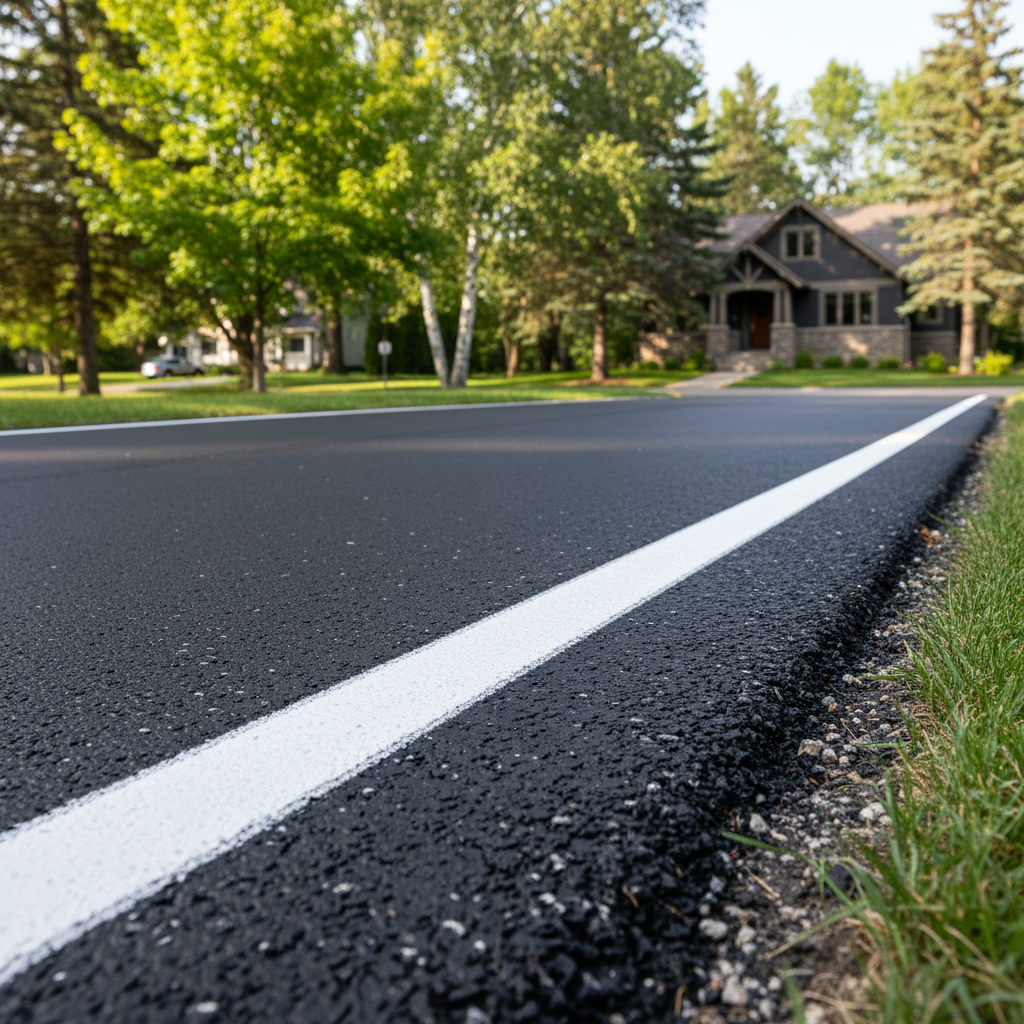
So, you've got a new asphalt surface, or maybe an old one that just needs a little sprucing up, and you're thinking about striping. Good call. It's not just about making things look neat; it's really about how things work and keeping everyone safe, especially here in Duluth where the weather can be a real beast. Over my years, I've heard a ton of questions from folks all over town about what actually goes into striping. So, let's clear up some of that confusion, shall we?
What's the difference between paint and thermoplastic for striping?
This question probably pops up more than any other. Here's how I like to explain it: paint is your standard, liquid stuff, usually acrylic, that we put right on the asphalt. It costs less upfront, dries pretty fast, and works great for spots with less traffic or where you might want to change the layout fairly often. The downside? It just doesn't last as long, especially with our tough Duluth winters and all those plows doing their thing. You'll probably need to repaint every year or two, depending on how much traffic it sees.
Thermoplastic, on the other hand, starts as a solid material—it's usually a mix of plasticizers, resins, and glass beads. We heat it up until it's molten, then apply it. It cools and hardens super fast, creating a much tougher, more reflective marking. Sure, it costs more initially, but it lasts way longer—we're talking three to five times longer than paint. For busy areas, or if you want something that will really stand up to the freeze-thaw cycles we get off Lake Superior, thermoplastic is usually the smarter move. Plus, it's more visible at night, thanks to those glass beads.
How long does asphalt striping actually last in Duluth?
Like I just mentioned, it really boils down to the material you pick and the conditions it faces. For standard traffic paint, you're looking at anywhere from six months to maybe two years. If it's a parking lot that gets heavy use, especially with snow plows scraping over it all winter, it'll definitely be on the shorter side. A residential driveway with hardly any traffic might squeeze a bit more life out of it.
Thermoplastic? That's a whole different ballgame. You can typically expect three to five years, sometimes even longer, before it needs a refresh. The big factors here are how much traffic rolls over it, how well we prepped the asphalt, and, of course, the weather. Our wild temperature swings and heavy snow in places like the Lakeside neighborhood can be brutal on any surface, so picking the right material is absolutely critical for it to last.
Can you stripe over old, faded lines?
Yep, usually. Most of the time, we can stripe right over existing lines, especially if they're just faded. The main thing is making sure the surface is clean and dry. We definitely don't want any dirt, loose junk, or oil stopping the new material from sticking properly. If the old lines are really thick, peeling, or bumpy, we might need to do some extra prep work. That could mean grinding them down a bit first to guarantee a smooth, consistent new line. We want a clean canvas for a professional job, you know?
How long does it take for new striping to dry or cure?
This is a big one, because you certainly don't want cars driving over wet paint. Standard traffic paint usually dries to the touch within 10-30 minutes, but it can take a few hours to fully cure, especially if it's humid or cold out. We generally tell folks to keep traffic off it for at least an hour, and ideally longer, if that's possible. Thermoplastic cools and hardens much faster—often within just minutes—so you can usually open the area to traffic pretty quickly after we apply it. We'll always give you a clear timeframe based on the exact material we use and the weather conditions that day.
What kind of prep work is needed before striping?
Good preparation is the secret to making the striping last. First, the surface has to be clean. That means sweeping away any loose dirt, leaves, or gravel. Sometimes we'll use a power blower or even a pressure washer if there's a lot of grime or mud. Second, it needs to be dry. You just can't stripe on wet asphalt; the material simply won't stick. If there are any oil spots or chemical spills, we need to clean those thoroughly, sometimes with a degreaser, because they can really mess with adhesion. For brand new asphalt, we usually suggest waiting at least 30 days after paving before striping. This lets the asphalt fully cure and release some of its oils, which helps the markings stick better and last longer.
What kind of maintenance does striped asphalt need?
Honestly, not a whole lot, beyond just keeping the area clean. Regular sweeping or blowing off debris helps prevent wear and tear. If you've got thermoplastic, you'll find it holds up really well with minimal fuss. For painted lines, you'll just need to keep an eye on them and plan for re-striping every year or two as they fade. Avoiding harsh chemicals or abrasive cleaning methods directly on the lines will also help them last longer. And of course, being careful when snow plowing is a huge deal up here; try not to scrape the blade right on the markings if you can help it.
Getting your striping done right the first time saves you headaches and money down the road. If you've got a parking lot or driveway that needs some clear, durable markings, give us a call at Fortune Asphalt Duluth. We're happy to talk you through your options and make sure you get exactly what you need.