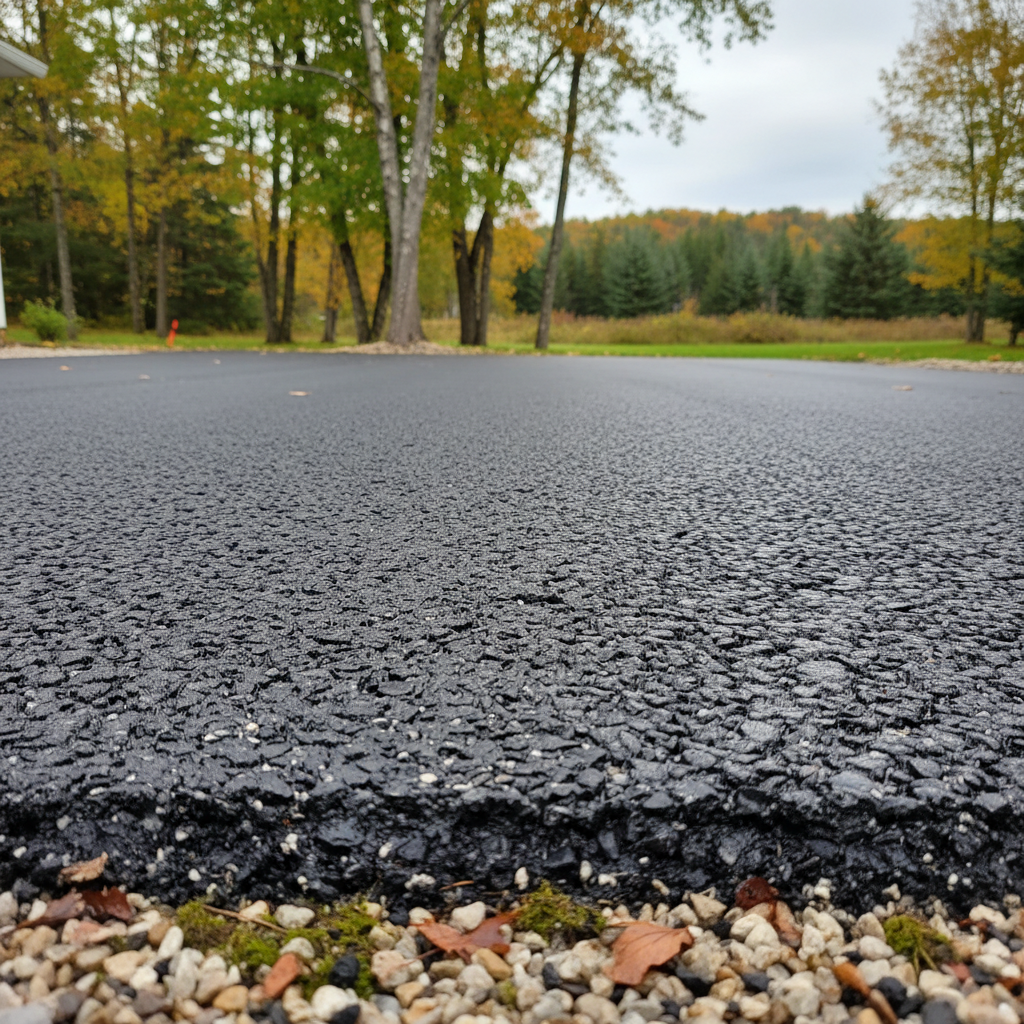
So, you're looking at your driveway and thinking it's time for an upgrade, or maybe you're building new and need a fresh start. Good for you. A solid driveway isn't just about curb appeal; it's about functionality, safety, and protecting your investment. But where do you even begin?
Before You Even Think About Paving
This is where most folks either save a ton of headaches or create a whole lot more. Planning is everything, especially up here in Duluth where our winters are no joke and the ground can be tricky.
- What's the ground like? You might have clay, rock, or a mix. If you're on a hillside, like a lot of properties up the hill or along the bluffs, drainage is huge. You don't want water pooling and freezing, because that's how you get cracks and heaving.
- Drainage, drainage, drainage. I can't stress this enough. Water is the enemy of pavement. Think about where rainwater and snowmelt will go. Will it run off into your yard, toward your house, or into a storm drain? You might need to regrade the area or even install a French drain if you've got a low spot. This isn't a DIY job unless you're really experienced with excavation and grading.
- Permits? For new driveways or significant expansions, you might need one from the city. Don't skip this. It's a pain to tear up work because you didn't get the right paperwork.
- DIY prep work? You can absolutely do some of the initial clearing. Remove old asphalt or concrete if you're replacing. Dig out weeds, roots, and any soft spots. If you're just laying down gravel for a temporary solution, you can probably handle the grading and compaction yourself with rented equipment. But for a permanent asphalt or concrete driveway, you'll need a professional to get the sub-base just right. It's the foundation, and if it's not perfect, your new driveway won't last.
During the Paving Project: What to Expect
If you're going with asphalt, which most folks do around here for its flexibility with our freeze-thaw cycles, here's the rundown.
- Excavation and Sub-base: The crew will dig out the old stuff and any unsuitable soil. Then they'll lay down a good, thick layer of aggregate (crushed rock). This needs to be compacted like crazy. We're talking heavy machinery here, folks. This is 100% a pro job. If this isn't done right, you'll see cracks and potholes in no time.
- Binder and Surface Layers: Next comes the binder layer, which is a coarser asphalt mix, also compacted. Finally, the surface layer, which is a finer mix. Both layers are applied hot and rolled smooth. You'll see steam, you'll smell asphalt, and you'll hear heavy rollers. It's a big operation.
- Edges and Transitions: A good crew will pay attention to the edges, making sure they're properly supported and blend smoothly with your lawn or other surfaces. They'll also make sure the transition to the street is seamless.
- DIY paving? Unless you own a paving company, have access to hot asphalt, and know how to operate all the equipment, this isn't a DIY project. Seriously. You'll end up with a lumpy, uneven mess that won't last a year. Leave the actual paving to Fortune Asphalt Duluth. We've got the gear and the experience to do it right the first time.
After the Paving: Keeping it Looking Good
Once the new driveway is down, you're not entirely off the hook. A little care goes a long way in extending its life.
- Curing Time: Stay off it! For asphalt, you typically need to wait 2-3 days before driving on it, and even longer for heavy vehicles. Don't park heavy RVs or trailers on it for a few weeks if you can avoid it.
- Sealcoating: This is huge. About 6-12 months after installation, you should apply a sealcoat. This protects the asphalt from UV rays, water, and chemicals like oil and gas. You can DIY this if you're careful and have the right tools, but it's a messy job. Make sure the driveway is clean and dry first. Then, apply it evenly. It's not a one-and-done deal; you'll want to re-seal every 2-3 years, depending on traffic and our harsh Duluth weather.
- Crack Repair: Small cracks will happen. It's just a fact of life with asphalt, especially with our freeze-thaw cycles. Fill them promptly with an asphalt crack filler. This stops water from getting underneath and expanding when it freezes, which leads to bigger problems.
- Cleaning: Keep it clean. Sweep off dirt and debris regularly. Deal with oil or gas spills quickly to prevent staining and damage to the asphalt.
- Snow Removal: Be careful with snowplows and shovels. Don't dig into the pavement. Use a plastic-edged shovel or set your snowblower slightly above the surface.
Look, a new driveway is a big investment. Doing the prep work right, knowing when to call in the pros, and then taking care of it afterward will ensure it lasts for years. Don't cut corners, especially with the foundation and the actual paving. You'll thank yourself later.