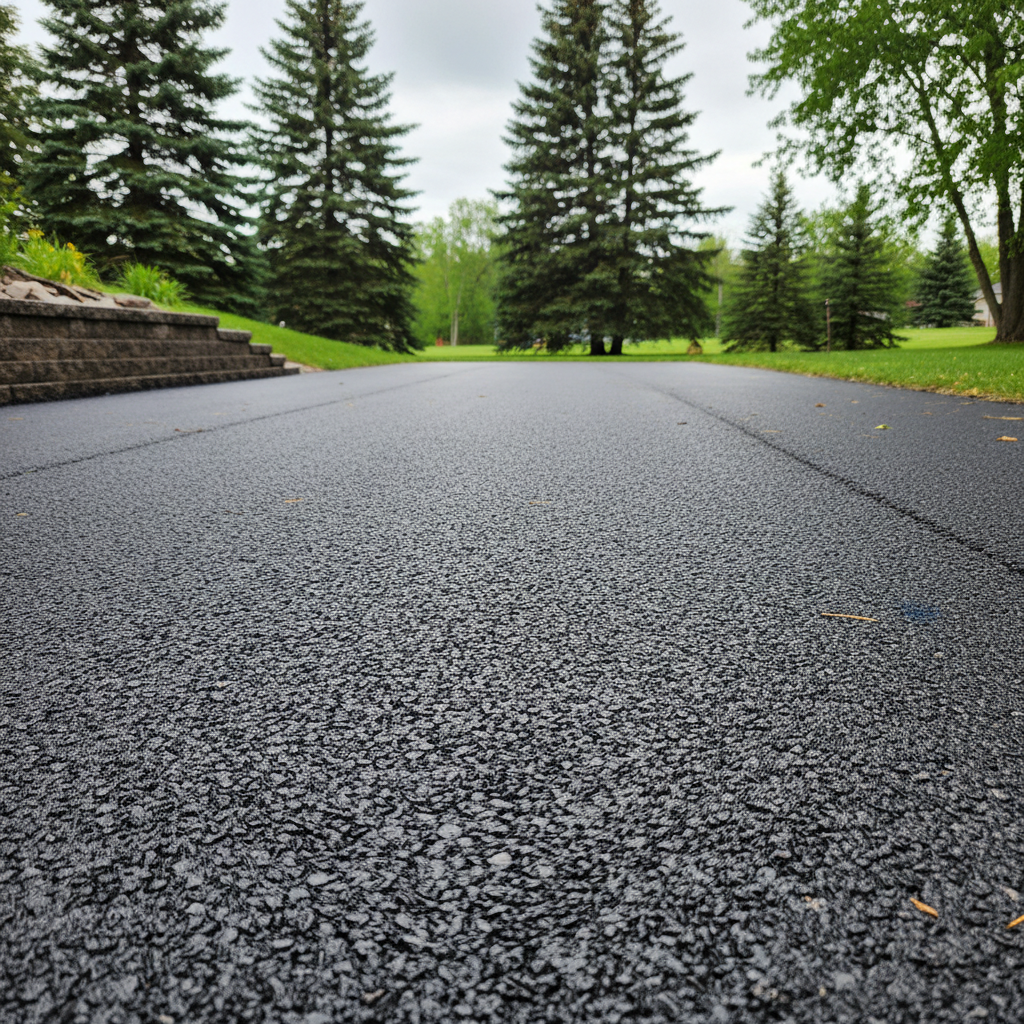
Thinking About a Home Parking Lot? Let's Talk Paving.
So, you're thinking about adding a parking lot, or maybe fixing up an old one, right here at your place in Duluth. Smart move, I'd say. A well-paved parking area isn't just about looking good; it's about how well it works, keeping things safe, and protecting your cars from our brutal winters. I've seen plenty of homeowners try to tackle big paving jobs themselves, and while I get the DIY spirit, some things are just better handled by the pros. Let's dig into what you really need to know.
Before You Even Think About Digging
Before any dirt gets moved, you've got some homework to do. This isn't just about getting a good price, mind you; it's about making sure the whole project goes smoothly and actually lasts.
- Permits and Zoning: This is a big one. You can't just pave wherever you feel like it. Check in with the City of Duluth's planning department. They'll tell you all about setback rules, how much impervious surface you can have, and if you even need a permit for what you're planning. Believe me, you don't want to lay down a beautiful new lot only to find out you have to rip it up because it's too close to your property line or a storm drain.
- Drainage is King: Seriously, this is probably the most important thing, especially with all the snow and rain we get up here. Where's that water going to go? You absolutely do not want it sitting in puddles on your new lot, running into your house's foundation, or washing away your neighbor's yard. A good contractor will design the grade so water flows away properly, usually into a storm drain or a specific permeable area. This isn't a DIY job; it takes surveying and proper engineering.
- Underground Utilities: Call Gopher State One Call (811) before anyone even thinks about digging a single shovel-full. It's free, it's the law, and it stops you from hitting gas lines, water pipes, or electrical conduits. Trust me, you really don't want to be the one responsible for a neighborhood blackout or a burst water main.
- Budgeting Realistically: Paving a parking lot isn't cheap, but it's an investment, right? Get a few quotes. Make sure you understand exactly what's included: excavation, base material, asphalt layers, compaction, drainage, and any striping or curbing. Don't just pick the cheapest bid; compare apples to apples when it comes to quality and what the job covers.
During the Project: What to Expect
Once you've got a plan and a contractor (like us at Fortune Asphalt Duluth), here's what the work usually involves. You'll definitely see a lot of heavy equipment, and things will probably get a bit messy before they look great.
- Excavation and Grading: First, any old surface gets ripped out, and the area is dug down to the correct depth. Then, the ground is graded. This means shaping the earth so it has just the right slope for drainage. This isn't just eyeballing it; it's precise work using lasers and big machines.
- Base Layer Installation: This is the foundation of your parking lot. It's usually crushed aggregate or gravel, laid down in layers and packed down really well. The base needs to be stable and strong enough to support the asphalt and all those vehicles. If the base isn't right, your asphalt won't last. In places like our hillside neighborhoods, where you might have clay soil, a well-engineered base is even more crucial to stop shifting and cracking from those freeze-thaw cycles.
- Asphalt Laying: Once the base is solid, the hot asphalt mix goes down. Specialized paving machines spread the asphalt evenly. Then, rollers come in and compact it. This is where experience really shines. The asphalt's temperature, the paver's speed, and the compaction technique all play a part in how good and how long-lasting your lot will be.
- Curing Time: After it's laid, the asphalt needs time to cure. This just means letting it cool and harden. Your contractor will tell you how long to stay off it, but usually, it's at least a few days before you can drive on it and a bit longer before you can have heavy trucks or make tight turns.
After the Paving: Keeping It Looking Good
Your new parking lot is down, it looks fantastic, but the work isn't quite finished. Good maintenance will make it last much, much longer.
- Sealcoating: This is your first line of defense. A good sealcoat protects the asphalt from UV rays, water getting in, and oil spills. You'll usually want to wait 6-12 months after paving to put on the first sealcoat, giving the asphalt plenty of time to fully cure. After that, plan on resealing every 2-3 years, depending on how much traffic it gets and how much wear and tear it sees.
- Crack Sealing: Even with the best paving job, cracks can show up over time, especially with our wild temperature swings. Don't ignore them. Water seeping into cracks can freeze, expand, and cause much bigger headaches. Get them sealed quickly to stop more damage.
- Cleaning: Keep your lot clean. Sweep away dirt, leaves, and any debris. Oil and gas spills should be cleaned up fast, as they can really break down the asphalt.
- Avoid Heavy Loads: While your parking lot is built for vehicles, try not to park extremely heavy equipment on it or make sharp turns with power steering while you're standing still. These things can put too much stress on the asphalt.
Paving a parking lot is a big project, no doubt, but it's one that really adds value and convenience to your home. For the heavy lifting – the digging, grading, base installation, and asphalt laying – you truly want to bring in a professional. They've got the gear, the know-how, and the insurance to do it right. As for ongoing maintenance, like sealcoating and crack filling, some homeowners feel comfortable tackling smaller areas themselves, but for the best results and longest life, even those jobs are often better handled by experienced crews. Why risk it?
If you're thinking about a project, give us a call. We're happy to come out, take a look, and give you an honest assessment of what it'll take.