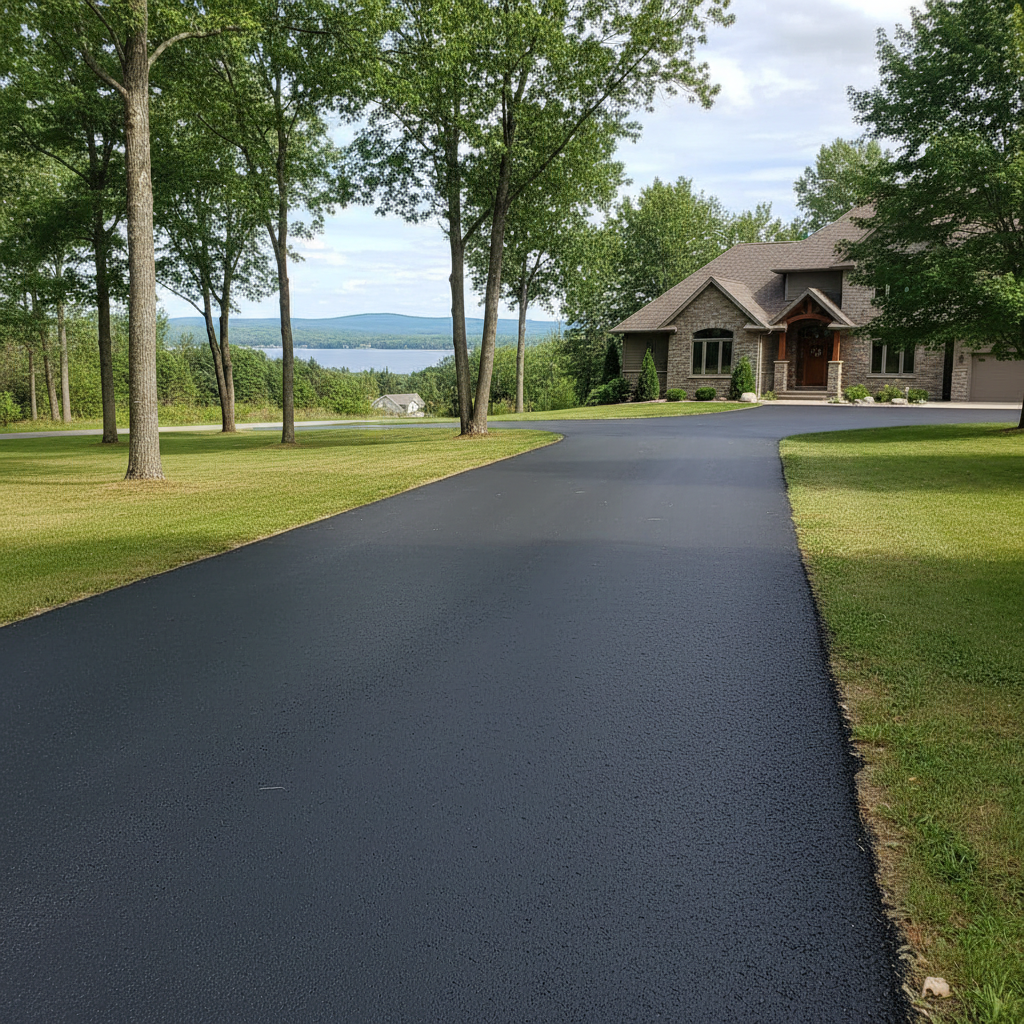
You just got your driveway or parking lot sealcoated, right? Good move. That sealcoat isn't just for looks; it's a critical shield against everything our Duluth weather throws at it. But getting it done is only half the battle. If you want that investment to really pay off and last as long as it should, you've got to take care of it. Think of it like changing the oil in your car – neglect it, and you'll be paying a lot more down the road.
Extending Your Sealcoat's Lifespan in the Northland
Our climate here in Duluth is no joke. The freeze-thaw cycles we experience, especially around Lake Superior, are brutal on asphalt. That sealcoat is your first line of defense. To really extend its life, you need to understand what works against it and how to fight back.
- Give it Time to Cure: This is huge. After we apply sealcoat, it needs a good 24-48 hours, sometimes even longer if it's humid or cooler, to fully cure. Driving on it too soon is like walking on wet paint – you'll mess it up and weaken its protective layer. We'll always tell you the exact timeframe, but patience is key.
- Watch the Weight: Heavy vehicles like RVs, delivery trucks, or construction equipment put a lot of stress on asphalt, even sealed asphalt. Try to limit their use on your freshly sealed surfaces, especially in the first few weeks. If you can't avoid it, make sure they're not turning sharply in one spot, which can really tear up the surface.
- Chemical Spills are the Enemy: Oil, gas, antifreeze, power steering fluid – these are all petroleum-based products, just like asphalt itself. They'll break down your sealcoat and the asphalt underneath. Clean up any spills immediately. A little kitty litter or absorbent material can do wonders, then a gentle scrub with soap and water. Don't let them sit.
- Sun Protection: Believe it or not, UV rays degrade asphalt over time. Your sealcoat has UV inhibitors, but parking vehicles in the same spot day after day, especially during our long summer days, can still cause localized wear. If you have the option, vary your parking spots.
Regular Maintenance: Your Pavement's Best Friend
Beyond the initial cure, ongoing care is pretty straightforward. It's about being proactive, not reactive.
- Keep it Clean: Dirt, sand, and gravel act like sandpaper every time a car drives over them. Sweep or blow off your driveway regularly. This is especially important after our winter sanding efforts. All that grit from the city plows and your own car tires can really wear down the sealcoat.
- Address Weeds Promptly: Weeds and grass growing through cracks aren't just an eyesore; their roots expand and widen those cracks, letting water get underneath. Pull them out or use a weed killer. Then, make sure those cracks are filled.
- Crack Sealing is Crucial: This is probably the most important maintenance step you can take. Even with sealcoat, small cracks can form. If water gets into these cracks and then freezes (which it does constantly here in Duluth), it expands and turns those small cracks into big potholes. We're talking about the difference between a minor repair and a major headache. Get those cracks sealed as soon as you see them. It's cheap insurance.
Warning Signs: When to Pay Closer Attention
Your asphalt will tell you when it needs help. You just have to know what to look for.
- Fading Color: If your rich, black sealcoat starts looking dull gray, it's a sign that the protective layer is wearing thin. This means it's losing its ability to block UV rays and water.
- Aggregate Showing Through: When you can see the small stones (aggregate) in your asphalt poking through the sealcoat, it's definitely time for a reapplication. The sealcoat is gone, and your asphalt is exposed.
- Lots of Small Cracks (Alligator Cracking): This pattern looks like alligator skin and indicates that the asphalt base is failing. Sealcoat can't fix this, but regular maintenance and crack filling can delay it. If you see this, it's a sign of a deeper issue.
- Potholes or Depressions: These are clear indicators of structural failure. Water has gotten underneath and eroded the base. Sealcoat won't help here; you'll need patching or more extensive repair.
When to Call in the Pros at Fortune Asphalt Duluth
Look, you can do a lot of the basic stuff yourself, like sweeping and cleaning. But some jobs are best left to folks who do it every day.
- Major Crack Sealing: While you can fill small, hairline cracks with DIY products, larger cracks (wider than a quarter-inch) or extensive cracking patterns need professional attention. We've got the right materials and equipment to do it right, ensuring a long-lasting seal.
- Pothole Repair: Don't try to just throw some cold patch in a pothole and call it a day. For a permanent fix, you need proper cleaning, a good base, and hot asphalt. That's our wheelhouse.
- Re-Sealcoating: This is a big one. Most residential driveways need re-sealcoating every 2-3 years, maybe 3-4 if you're really diligent with maintenance and the traffic is light. Commercial properties with heavier traffic might need it every 1-2 years. When you see those warning signs like fading or aggregate showing, it's time to call us. We'll assess your surface and recommend the right approach. We know the specific challenges of paving on the hillside or in the Lakeside neighborhood, and we'll make sure your sealcoat is applied perfectly for our unique environment.
- Drainage Issues: If you notice water pooling on your driveway after rain or snowmelt, that's a problem. Standing water will erode your asphalt and lead to premature failure. This often requires professional grading or drainage solutions.
Taking care of your sealcoated asphalt isn't rocket science, but it does require a little attention. A small amount of effort now can save you a ton of money and hassle down the road. Keep an eye on your pavement, address issues quickly, and don't hesitate to call Fortune Asphalt Duluth when you need a hand. We're here to help keep your asphalt looking good and performing strong for years to come.