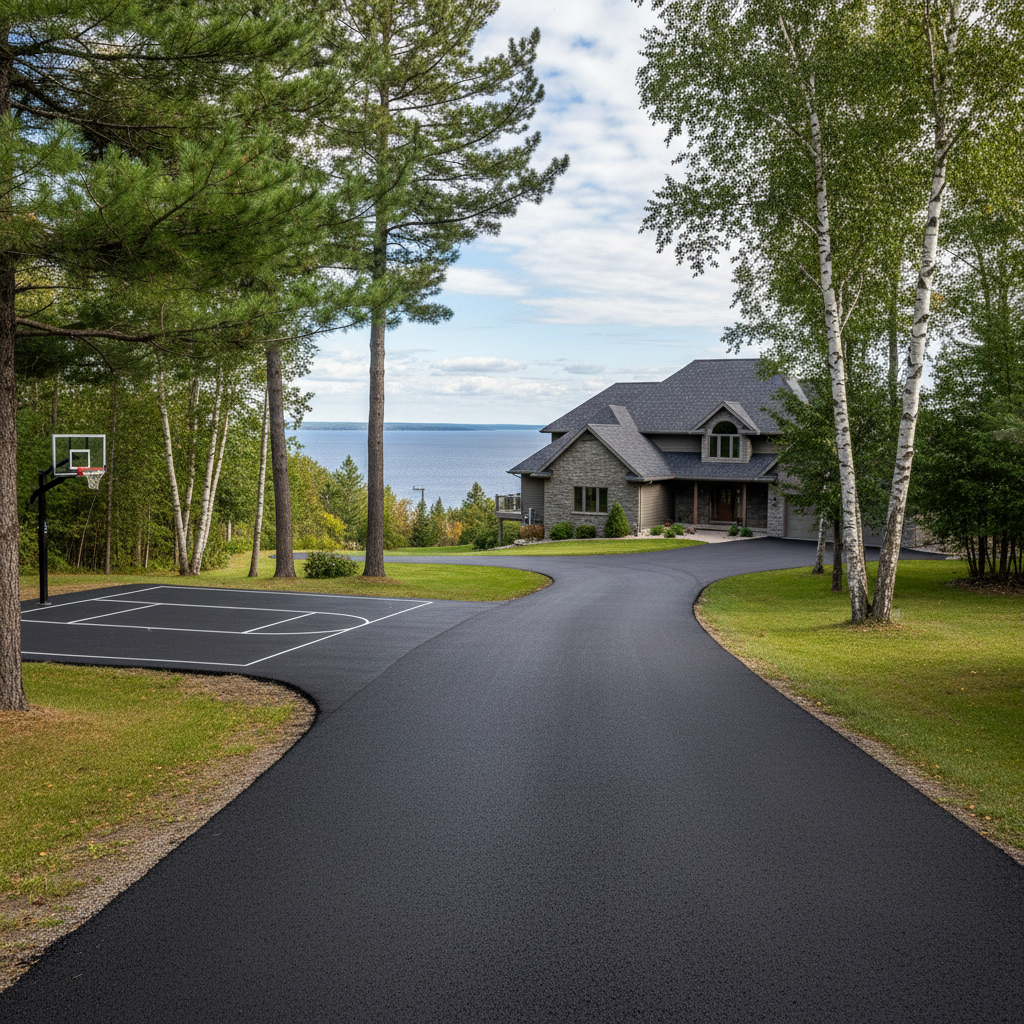
So, you're thinking about getting your driveway slurry coated? That's a smart move for protecting your asphalt, especially with the kind of weather we get up here in Duluth. But before you jump in, you need a plan. It's not just about picking a contractor; it's about understanding the whole process. That way, you'll know what's coming and can make sure you're getting a quality job.
When to Plan Your Slurry Coat Project
Timing is everything with asphalt work, and slurry coating is no different. You can't just do it any old time, right? We're looking for consistent temperatures, usually above 50 degrees Fahrenheit, and absolutely no rain in the forecast for at least 24-48 hours after application. That means our prime season in Duluth is typically late spring through early fall – think May to September. If you try to push it too early or too late, you risk the material not curing properly. And that, of course, defeats the whole purpose.
I'd recommend reaching out for quotes in late winter or early spring. Good contractors get booked up fast once the weather breaks. Getting on their schedule early means you'll have more flexibility for when the work actually happens. Seriously, don't wait until August to start calling around; you might just find yourself waiting until next year.
What to Expect During the Process
Once you've picked your contractor and scheduled the work, here's a general idea of what'll go down:
- Initial Cleaning: First, we'll get that surface spotless. That means sweeping, blowing off debris, and often power washing. Any dirt, loose gravel, or organic matter has to go. If there's oil or grease, we'll treat that too. Slurry needs a clean surface to bond properly, after all.
- Crack Filling & Repairs: This is a big one. Slurry coating isn't a miracle cure for major damage. If you've got cracks wider than a quarter-inch, potholes, or areas that are crumbling, they need to be repaired first. A good contractor will include this in their quote or tell you upfront that it's an extra step. Don't let anyone tell you slurry will fix big cracks; it won't.
- Application: This is the main event. The slurry material is mixed on-site or brought in ready to go. We usually apply it with a squeegee or a specialized machine, making sure to get an even, consistent layer across the entire asphalt surface. Depending on the product and how your driveway looks, it might be one or two coats. We'll let you know.
- Curing Time: This is where patience comes in. You absolutely cannot drive or park on the newly coated surface until it's fully cured. This usually takes 24-48 hours, sometimes longer if it's cooler or humid. We'll put up barricades or tape, but it's on you to make sure no one accidentally drives on it too soon. Trust me, you don't want tire marks in your fresh slurry.
How to Prepare Your Property
You've got a role to play too. A little prep from your end makes the job smoother and helps avoid headaches:
- Clear the Area: Move your cars, boats, trailers, basketball hoops, trash cans, and anything else off the driveway and surrounding areas. We need clear access.
- Trim Landscaping: If you have bushes, trees, or grass overhanging the edges of your driveway, trim them back. This helps us get a clean edge and prevents slurry from getting on your plants.
- Turn Off Sprinklers: Make sure your automatic sprinklers are off for at least 24 hours before and after the work. We don't want water messing with the curing process.
- Communicate: If you have any specific concerns, like a tricky drainage spot or a neighbor's property line that's super close, talk to us beforehand.
- Plan for Access: Remember that curing time. You'll need to park your vehicles on the street or at a neighbor's for a day or two. Plan ahead for deliveries, mail, and getting in and out of your house.
Questions to Ask Before Signing a Contract
Don't just go with the cheapest quote. Ask these questions:
- What specific type of slurry material do you use? There are different formulations out there. You want to know what's going on your driveway.
- What's included in the price? Does it cover crack filling, oil stain treatment, or any minor repairs? Get it in writing.
- How many coats will you apply? Sometimes one is enough, sometimes two are better for longevity.
- What's your warranty or guarantee? What happens if it peels or fails prematurely?
- Can you provide references from recent jobs in Duluth? I'm talking about jobs from this past season, not five years ago.
- Are you licensed and insured? This is non-negotiable. You don't want to be liable if someone gets hurt on your property.
- What's the estimated curing time, and what are the instructions for post-application care? Make sure you understand exactly when you can use your driveway again and if there are any specific things you need to do to maintain it.
By asking these questions and understanding the process, you'll be much better prepared for your slurry coating project. A good contractor, like us at Fortune Asphalt Duluth, wants you to be informed and happy with the work. It's your investment, so make sure it's done right.