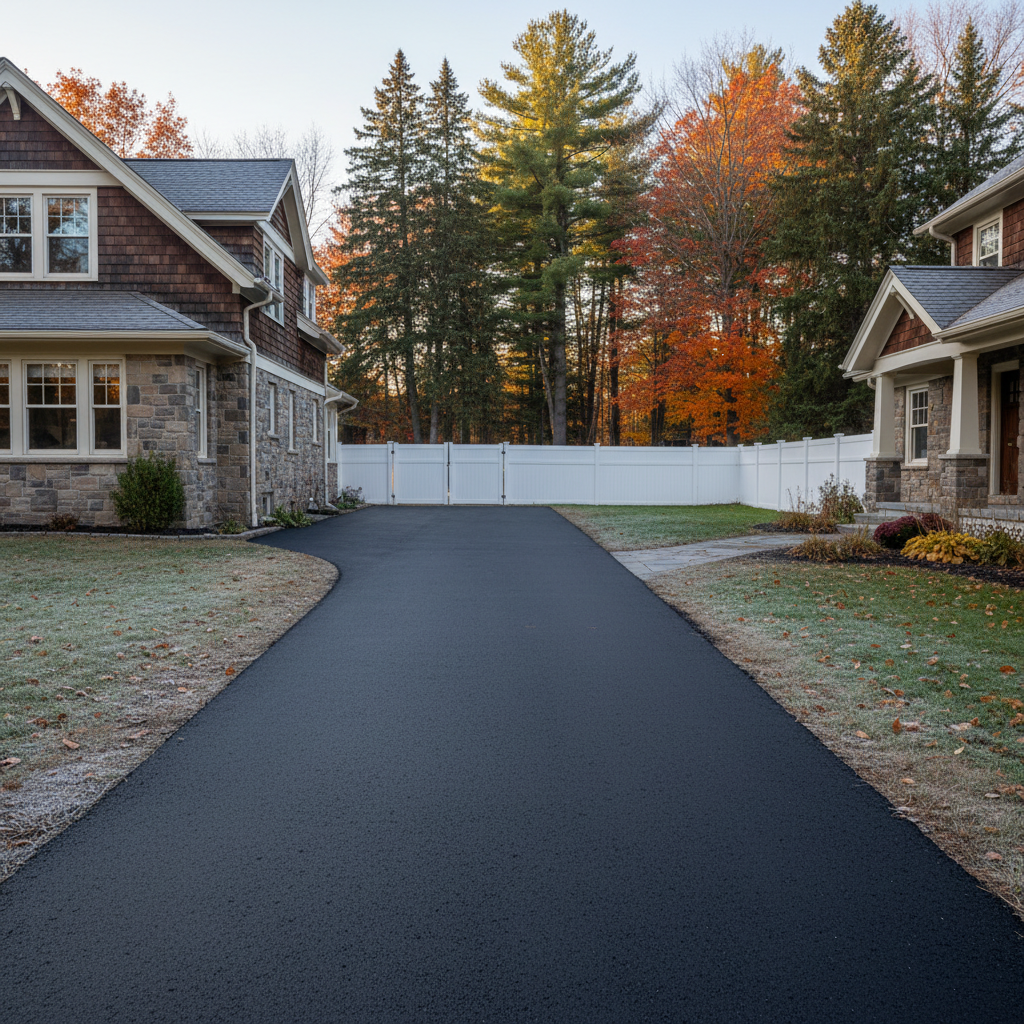
So, when's the best time to slurry coat your driveway here in Duluth? Honestly, that's a question I get asked a lot, and it's a really good one. Our climate isn't exactly like, say, Arizona's. We've got distinct seasons, and each one brings its own set of challenges and opportunities for asphalt work. Getting the timing right isn't just about convenience, you know? It's about making sure your investment actually pays off and protects your driveway for years to come.
Why Slurry Coating Timing Really Matters
Slurry coating isn't just about making your driveway look nice; it's a crucial protective layer. It fills tiny cracks, seals the surface, and helps keep water from getting in — which is a huge deal for us up here. But for it to work properly, it needs specific conditions to cure. If you put it down when it's too cold, too hot, or too wet, it just won't bond right. You'll end up with a weak, flaky surface that peels off way too soon, and nobody wants that kind of headache.
Think of it like painting your house. You wouldn't try to paint in a downpour, right? It's the same principle here. The material needs to dry and harden, and that process is really sensitive to temperature and moisture.
The Duluth Seasons & Your Slurry Coat
Here's how our local weather influences when we can schedule your slurry coat:
- Spring (Late April/May to Early June): This can be a tricky window. We're all itching to get outdoor projects done after winter, but spring in Duluth often means wild, unpredictable swings. You might get a beautiful 60-degree day followed by a 30-degree night or a sudden cold rain. The ground can still be pretty cold, too, especially if your driveway is shaded. We need consistent daytime temperatures above 50°F and nighttime temperatures that don't drop below 40°F for several days. It's definitely possible, but you have to be patient and really watch the forecast.
- Summer (Mid-June to August): This is usually our sweet spot. Longer days, warmer temperatures, and generally fewer extreme temperature swings. This allows the slurry to cure slowly and evenly, forming a really strong bond. Humidity can be a factor, but typically, our summer humidity isn't so high that it causes major problems for curing. Just make sure there's no rain in the forecast for at least 24-48 hours after we apply it.
- Fall (September to Early October): Another good window, but it closes quickly. Early fall can be fantastic, with warm days and cool, crisp nights. However, as we get deeper into October, those nighttime temperatures drop fast. We're always keeping a close eye on the overnight lows. If it's going to freeze, that's a definite no-go. You really don't want to rush a job just because winter's coming; you're much better off waiting until next spring.
We're looking for a stretch of at least three days with just the right conditions: no rain, warm enough temperatures, and not too much humidity. It's a balancing act, and sometimes we have to be flexible with scheduling.
Weather Conditions That Affect the Work
Beyond the season, specific weather conditions can completely make or break a slurry coating job:
- Temperature: As I mentioned, consistent temperatures above 50°F during the day and ideally above 40°F at night are absolutely critical. If it's too cold, the material won't cure properly; it'll stay soft or crack. If it's too hot (like, 90°F+ and direct sun), it can dry too fast, leading to premature cracking or a poor bond. We're usually good on the 'too hot' front here in Duluth, but it's still something to consider.
- Rain: This is a big one. Slurry needs time to dry. If it rains too soon after application, it can wash away, dilute the material, or leave blotchy, weak spots. We always check the forecast religiously. If there's a good chance of rain within 24-48 hours, we'll reschedule. It's always better to wait than to do a job that won't last.
- Humidity: High humidity slows down the drying process. While not as critical as temperature or rain, extremely humid conditions can extend the curing time, making the surface vulnerable for longer.
- Wind: A little breeze is actually good; it helps with drying. But strong, gusty winds can cause problems, especially during application. It can blow debris onto the wet surface or dry out the material too quickly in spots, leading to an uneven finish.
Protecting Your Investment Year-Round
Once your slurry coat is down and cured, you want it to last. Here's how you protect it, especially with our Duluth weather:
- Give it Time to Cure: After we're done, we'll tell you exactly how long to stay off it. Usually, it's 24-48 hours for foot traffic and 3-5 days for vehicle traffic. Seriously, don't rush it! Driving on it too soon is the quickest way to ruin a fresh coat.
- Keep it Clean: Sweep off loose dirt, leaves, and debris regularly. This prevents organic matter from breaking down on the surface and keeps water from pooling.
- Address Spills Quickly: Oil, gas, and other chemicals can break down the asphalt binder. Clean up spills immediately with the right cleaners.
- Snow Removal: Be careful with snowplows and shovels. Don't dig into the surface. A plastic-bladed shovel is much gentler than a metal one. If you use a snowblower, keep it slightly elevated.
- Avoid Heavy Loads: Try not to park heavy vehicles or equipment on your driveway for extended periods, especially in the heat. It can cause depressions.
- Monitor for Cracks: Even with a good slurry coat, our freeze-thaw cycles can eventually cause new cracks. Keep an eye out for them and address them promptly. Small cracks can be filled to prevent water from getting underneath and causing bigger issues.
Getting your driveway slurry coated is a smart move for protecting your asphalt. But like anything else, it's all about doing it right, at the right time, and under the right conditions. We've seen plenty of driveways in places like Lakeside and Woodland Hills that have held up great for years because the owners understood these principles. That's what we aim for at Fortune Asphalt Duluth – a job that stands up to everything our Northland throws at it. Give us a call when you're ready to talk about your driveway.